44 kubernetes well known labels
Best Practices Guide for Kubernetes Labels and Annotations The main advantage of this metadata is that the Kubernetes machinery automatically fills values of the standard labels and annotations. Thus, it is suggested to use the well-known labels and annotations in your daily operations and client tools, such as Helm, Terraform, or kubectl. Use Labels for Release Management Kubernetes node and node pool management - Azure Architecture Center ... To label the nodes in a node pool, you can use the --labels parameter and specify a list of labels, as shown in the following code: az aks nodepool add \ --resource-group myResourceGroup \ --cluster-name myAKSCluster \ --name mynodepool \ --node-vm-size Standard_NC6 \ --node-taints sku=gpu:NoSchedule \ --labels dept=IT costcenter=9999
Kubernetes: Evenly Distribution of Pods Across Cluster Nodes In order to distribute pods evenly across all cluster worker nodes in an absolute even manner, we can use the well-known node label called kubernetes.io/hostname as a topology domain, which ...

Kubernetes well known labels
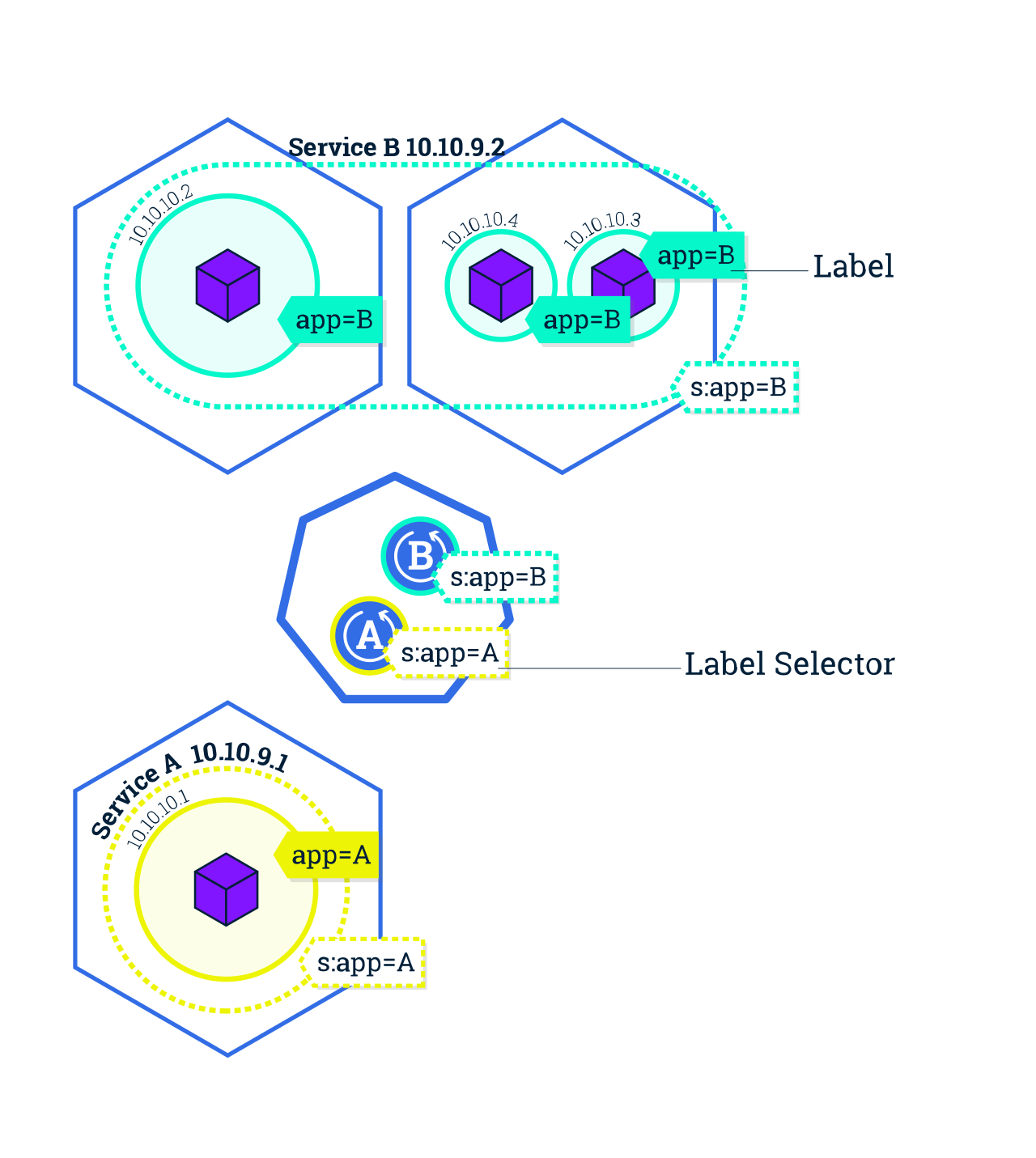
Labels and Selectors | Kubernetes Example labels: "release" : "stable", "release" : "canary" "environment" : "dev", "environment" : "qa", "environment" : "production" "tier" : "frontend", "tier" : "backend", "tier" : "cache" "partition" : "customerA", "partition" : "customerB" "track" : "daily", "track" : "weekly" Downward API | Kubernetes Downward API. It is sometimes useful for a container to have information about itself, without being overly coupled to Kubernetes. The downward API allows containers to consume information about themselves or the cluster without using the Kubernetes client or API server. An example is an existing application that assumes a particular well-known ... kubernetes/well_known_labels.go at master · kubernetes/kubernetes LabelNodeExcludeBalancers = "node.kubernetes.io/exclude-from-external-load-balancers" // LabelMetadataName is the label name which, in-tree, is used to automatically label namespaces, so they can be selected easily by tools which require definitive labels: LabelMetadataName = "kubernetes.io/metadata.name")
Kubernetes well known labels. Just-in-Time Kubernetes: Namespaces, Labels, Annotations, and ... - Medium Well, we don't actually create Pods directly in Kubernetes either (we can, but we don't). Instead, we create Deployments . A Deployment manages pod creation, and serves as a wrapper around a Pod . How To Use Let's Encrypt on Kubernetes to Automatically ... - Runnablog It can be complicated to set up, but Let's Encrypt helps solve this problem by providing free SSL/TLS certificates and an API to generate these certificates. Kubernetes allows you to define your application runtime, networking, and allows you to define your infrastructure declaratively through code; making it easier to maintain, review, and ... Concepts | Karpenter Well-known labels: The provisioner can use well-known Kubernetes labels to allow pods to request only certain instance types, architectures, operating systems, or other attributes when creating nodes. See Well-Known Labels, Annotations and Taints for details. Keep in mind that only a subset of these labels are supported in Karpenter, as ... Use availability zones in Azure Kubernetes Service (AKS) - Azure ... As documented in Well-Known Labels, Annotations and Taints, Kubernetes uses the topology.kubernetes.io/zone label to automatically distribute pods in a replication controller or service across the different zones available. In order to test this, you can scale up your cluster from 3 to 5 nodes, to verify correct pod spreading: Azure CLI
Use an Azure AD workload identities (preview) on Azure Kubernetes ... If you've used Azure AD pod-managed identity, think of a service account as an Azure Identity, except a service account is part of the core Kubernetes API, rather than a Custom Resource Definition (CRD). The following describes a list of available labels and annotations that can be used to configure the behavior when exchanging the service ... Multi-tenancy | Kubernetes This page provides an overview of available configuration options and best practices for cluster multi-tenancy. Sharing clusters saves costs and simplifies administration. However, sharing clusters also presents challenges such as security, fairness, and managing noisy neighbors. Clusters can be shared in many ways. In some cases, different applications may run in the same cluster. A Beginner's Guide to Kubernetes - Medium Figure 2: Kubernetes Application Deployment Model. The above figure illustrates the high level application deployment model on Kubernetes. It uses a resource called ReplicaSet for orchestrating ... Concepts | Karpenter Well-known labels: The provisioner can use well-known Kubernetes labels to allow pods to request only certain instance types, architectures, operating systems, or other attributes when creating nodes. See Well-Known Labels, Annotations and Taints for details.
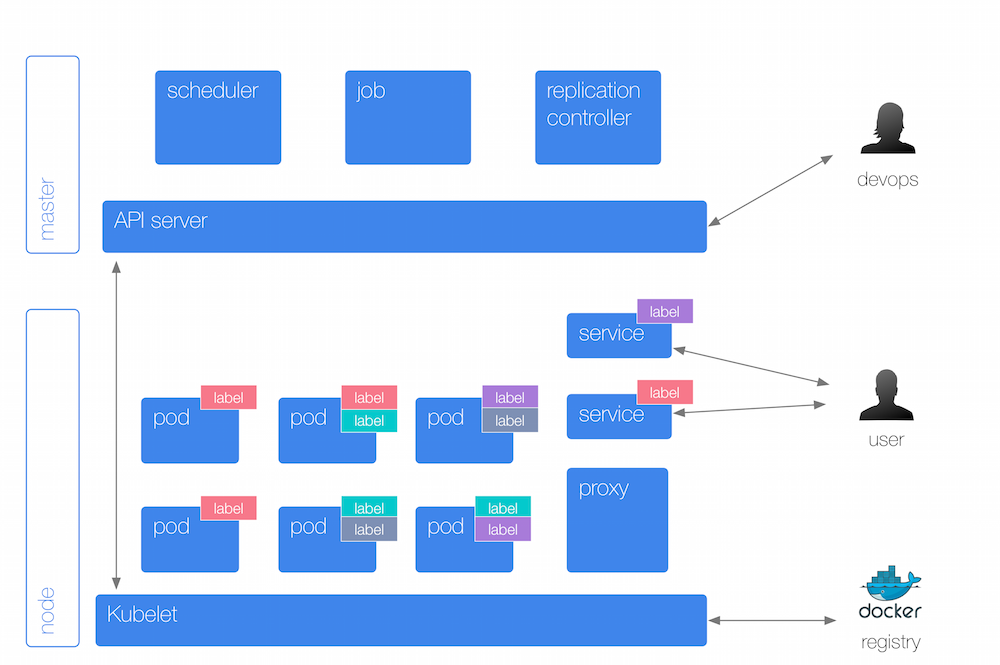
Kubernetes Cheat Sheet for 2022: Architecture and Commands Explained Here's a review of the fundamental concepts of Kubernetes architecture. Pod. A group of containers Labels. Used to identify pods Kubelet. Container agents responsible for maintaining pod sets Proxy. Pod load balancers that help distribute tasks Etcd. A metadata service CAdvisor. Monitors resource performance and usage Replication controller. Documentation | Karpenter These can be arbitrary labels you define, Kubernetes well-known labels, or Karpenter labels. Node affinity ( NodeAffinity ): Set nodeAffinity to have the Pod run on nodes that have matching nodeSelectorTerms set or not set. Matching affinity can be a particular operating system or zone. What is Kubernetes Labels? | Examples with Methods - EDUCBA Below is the syntax by which we can create the labels in Kubernetes see below for reference; syntax: "metadata": {"labels": {"key1" : "value1", "key2" : "value2", "key3" : "value3", "key4" : "value4", "key5" : "value5"}} Methods. In order to recognize the resources with the help of labels, Kubernetes provides us two different methods by which we can do this. Kubernetes - Wikipedia Kubernetes (/ ˌ k (j) uː b ər ˈ n ɛ t ɪ s,-ˈ n eɪ t ɪ s,-ˈ n eɪ t iː z,-ˈ n ɛ t iː z /, commonly stylized as K8s) is an open-source container orchestration system for automating software deployment, scaling, and management. Google originally designed Kubernetes, but the Cloud Native Computing Foundation now maintains the project.. Kubernetes works with Docker, Containerd, and CRI-O.
Dissecting Kubernetes example - Dots and Brackets: Code Blog
Pod Topology Spread Constraints | Kubernetes You need a mechanism to ensure that all the nodes in a topology domain (such as a cloud provider region) are labelled consistently. To avoid you needing to manually label nodes, most clusters automatically populate well-known labels such as topology.kubernetes.io/hostname. Check whether your cluster supports this. Topology spread constraint examples
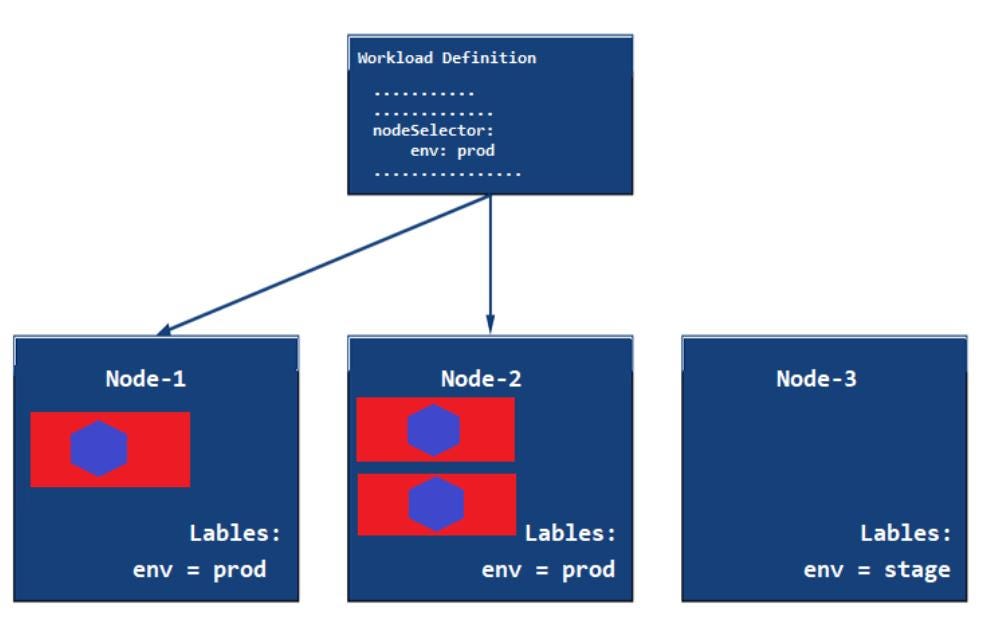
How to Provision Node Labels and Selectors in Kubernetes ...
Clarification of labels, annotations and taints #25860 - GitHub There are several categories of things listed on the "Well-known labels, annotations and taints" page, however the content is very fuzzy. I cannot tell which one is a label, which one is an annotation; The page has no "taints" at all; Some of the labels are tagged as "deprecated", but that is not accurate. Some of the labels are already removed.
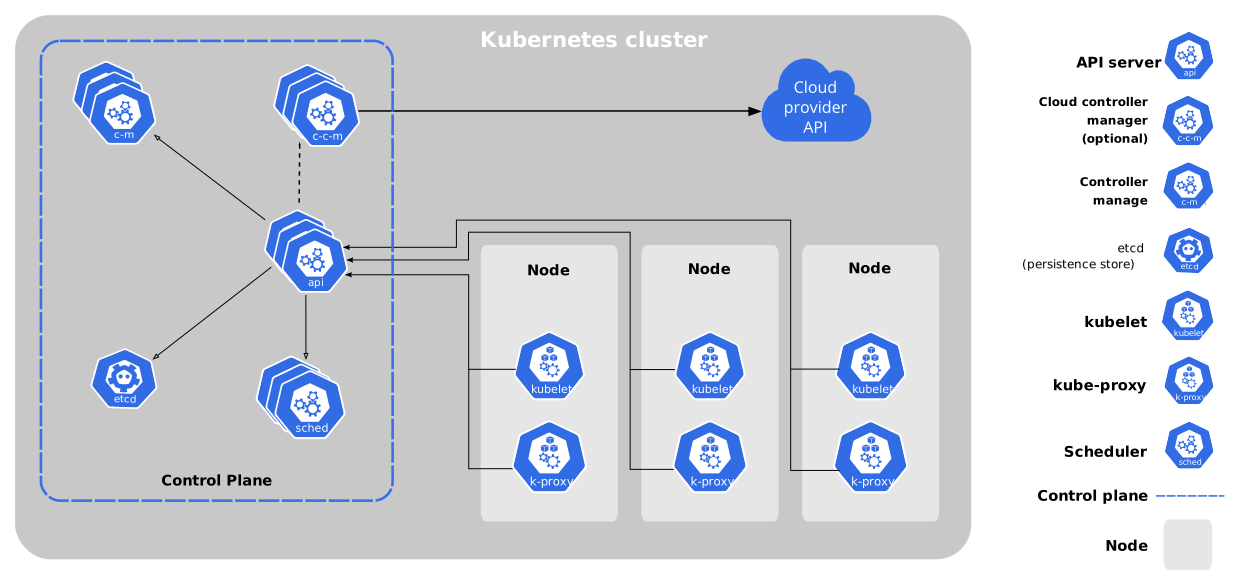
Kubernetes Components | Kubernetes
Secrets | Kubernetes cat < pod.yaml apiVersion: v1 kind: List items: - kind: Pod apiVersion: v1 metadata: name: prod-db-client-pod labels: name: prod-db-client spec: volumes: - name: secret-volume secret: secretName: prod-db-secret containers: - name: db-client-container image: myClientImage volumeMounts: - name: secret-volume readOnly: true mountPath: "/etc/secret-volume" - kind: Pod apiVersion: v1 metadata: name: test-db-client-pod labels: name: test-db-client spec: volumes: - name: secret-volume secret ...

Kubernetes Design Principles Part 1
Use labels in an Azure Kubernetes Service (AKS) cluster - Azure ... Label Recommended substitute Maintainer; failure-domain.beta.kubernetes.io/region: ...
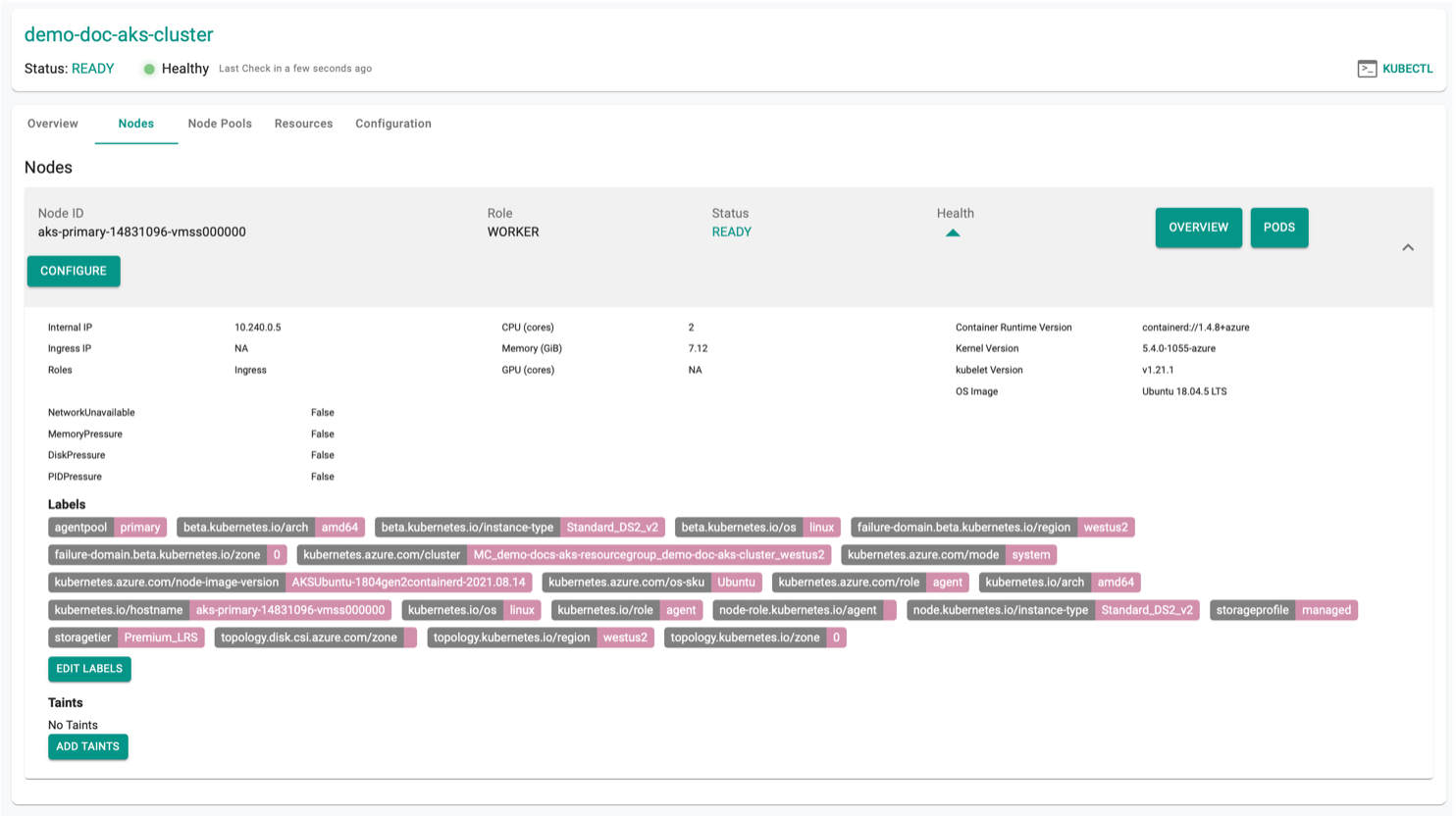
KOP AKS Clusters - Node Labels - Rafay Docs
Kubernetes subPath Examples | MountPath vs subPath Explained Known Limitation. At the time of writing this article, there is a known limitation when using Kubernetes subPath. ConfigMaps and secrets mounted using subPath cannot be updated dynamically. To update the configmap and secrets, new pods will need to be created. Prerequisites. Working K8s cluster; Working knowledge of K8s and yaml language
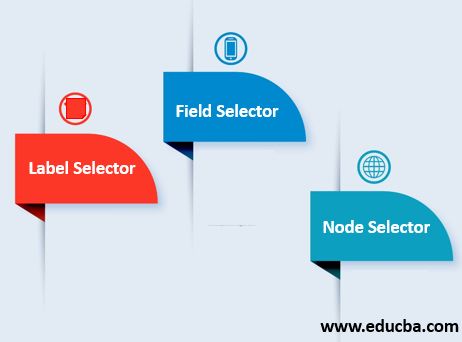
Kubernetes Selector | How does Selector Works in Kubernetes?
kubernetes - What is topologyKey in pod affinity? - Stack Overflow Two common label options are topology.kubernetes.io/zone and kubernetes.io/hostname. Others can be found in the Kubernetes Well-Known Labels, Annotations and Taints documentation. topology.kubernetes.io/zone: Pods will be scheduled in the same zone as a Pod that matches the expression.

Kubernetes - Services and Labels - The IT Hollow
Well-Known Labels, Annotations and Taints | Kubernetes Well-Known Labels, Annotations and Taints. Kubernetes reserves all labels and annotations in the kubernetes.io and k8s.io namespaces. This document serves both as a reference to the values and as a coordination point for assigning values. Labels, annotations and taints used on API objects app.kubernetes.io/component

Steps to create a POD with labels using KUBECTL and YAML ...
Generation of Kubernetes Well-Known and Recommended labels #1700 - GitHub Recommended Labels; Well-Known Labels, Annotations and Taints; Describe the solution you'd like (High level) Create a New (disableable) Enricher that adds the Recommended K8s labels; Make the existent ProjectLabelEnricher disableable (Describe alternatives you've considered. Fragments. Additional context. No response
Kubernetes Core Concepts - Labels, Selectors and Annotations
Recommended Labels | Kubernetes You can visualize and manage Kubernetes objects with more tools than kubectl and the dashboard. A ...
19 Kubernetes Best Practices for Efficient Clusters | PhoenixNAP
api/well_known_labels.go at master · kubernetes/api · GitHub LabelNodeExcludeBalancers = "node.kubernetes.io/exclude-from-external-load-balancers" // LabelMetadataName is the label name which, in-tree, is used to automatically label namespaces, so they can be selected easily by tools which require definitive labels )
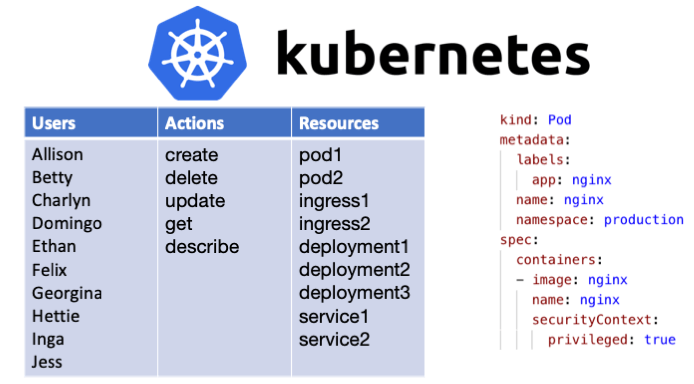
Why RBAC is Not Enough for Kubernetes Security - Styra
kubernetes/well_known_labels.go at master · kubernetes/kubernetes LabelNodeExcludeBalancers = "node.kubernetes.io/exclude-from-external-load-balancers" // LabelMetadataName is the label name which, in-tree, is used to automatically label namespaces, so they can be selected easily by tools which require definitive labels: LabelMetadataName = "kubernetes.io/metadata.name")
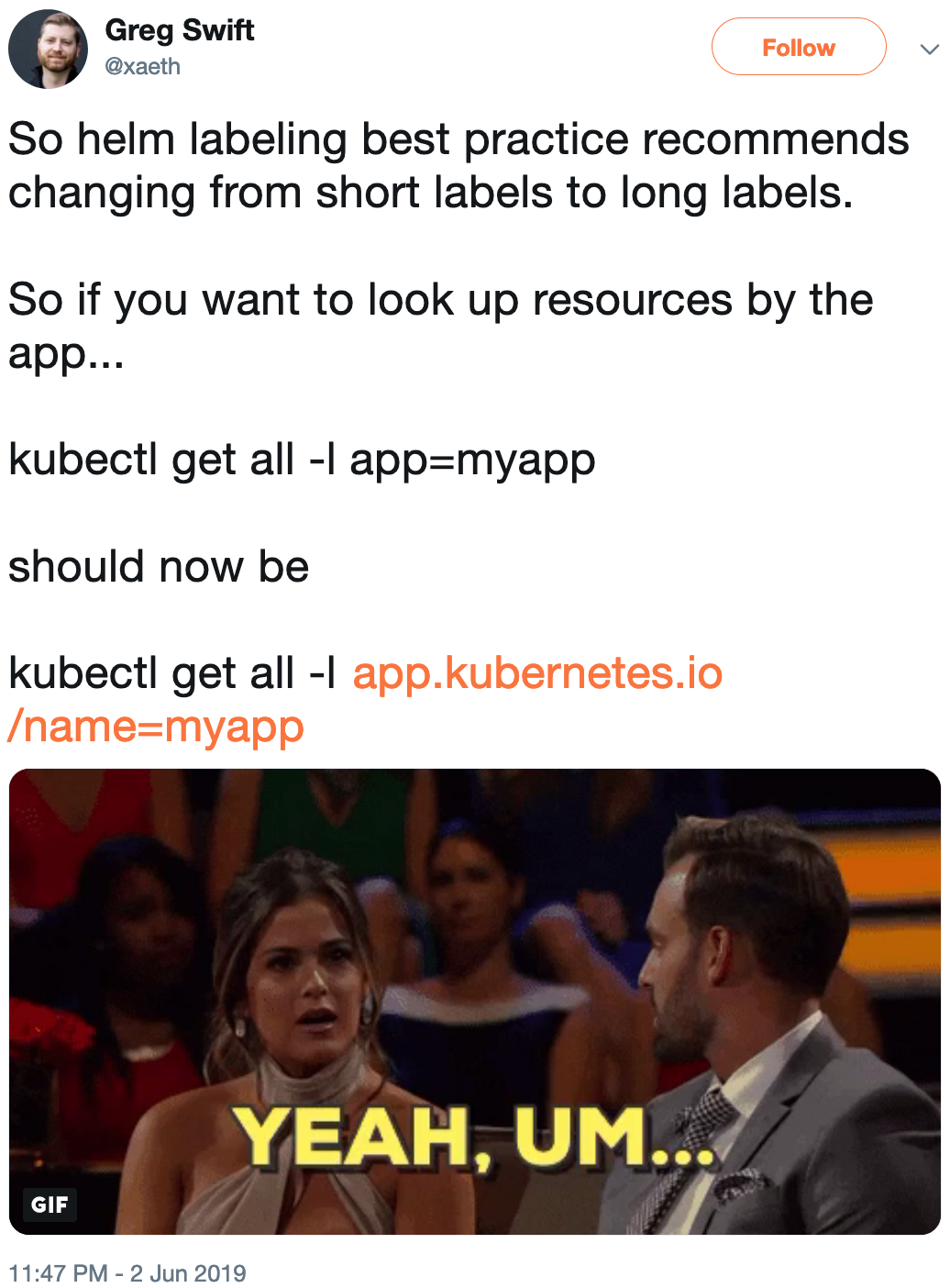
Kubernetes: Long Label Names and UX | Code Engineered
Downward API | Kubernetes Downward API. It is sometimes useful for a container to have information about itself, without being overly coupled to Kubernetes. The downward API allows containers to consume information about themselves or the cluster without using the Kubernetes client or API server. An example is an existing application that assumes a particular well-known ...

Creating a cluster with kubeadm | Kubernetes
Labels and Selectors | Kubernetes Example labels: "release" : "stable", "release" : "canary" "environment" : "dev", "environment" : "qa", "environment" : "production" "tier" : "frontend", "tier" : "backend", "tier" : "cache" "partition" : "customerA", "partition" : "customerB" "track" : "daily", "track" : "weekly"
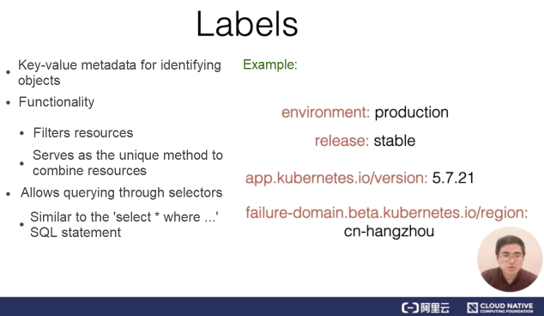
Getting Started with Kubernetes | Application Orchestration ...
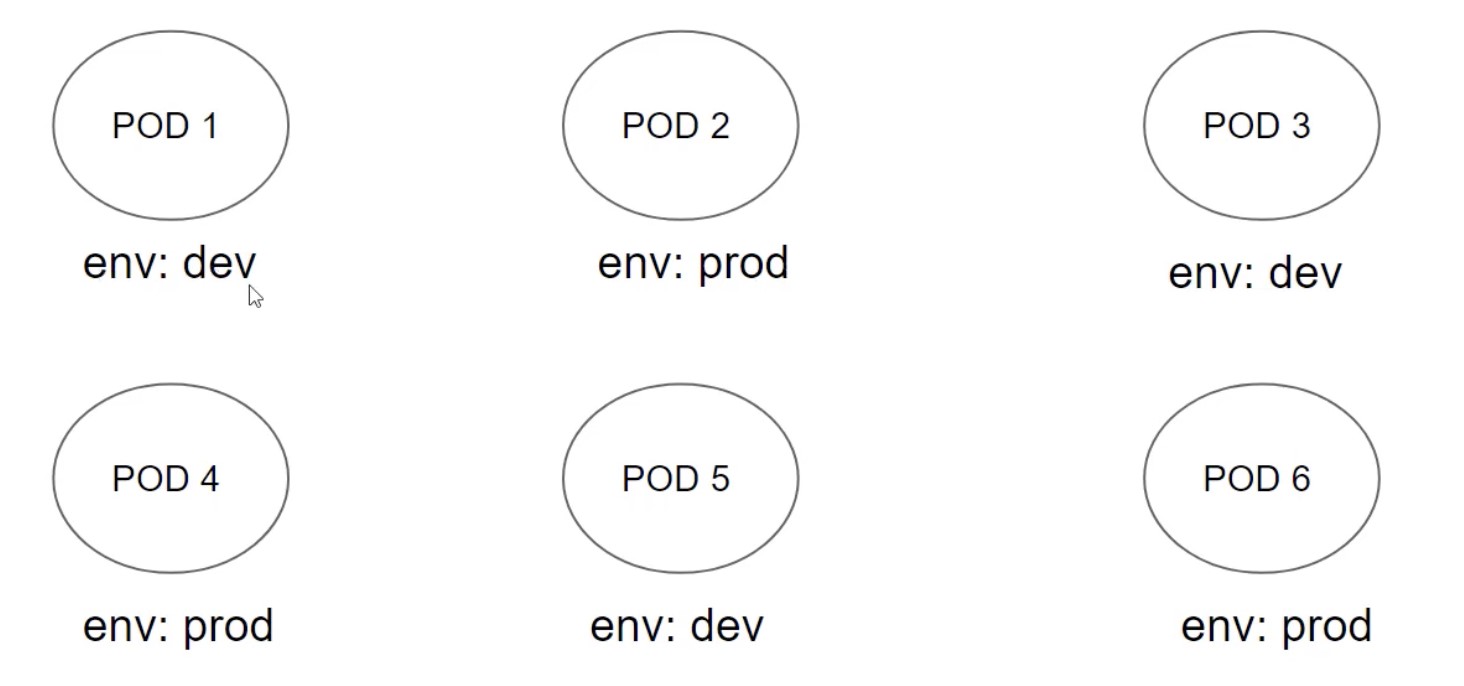
Learn Kubernetes Labels By Following Examples | Densify
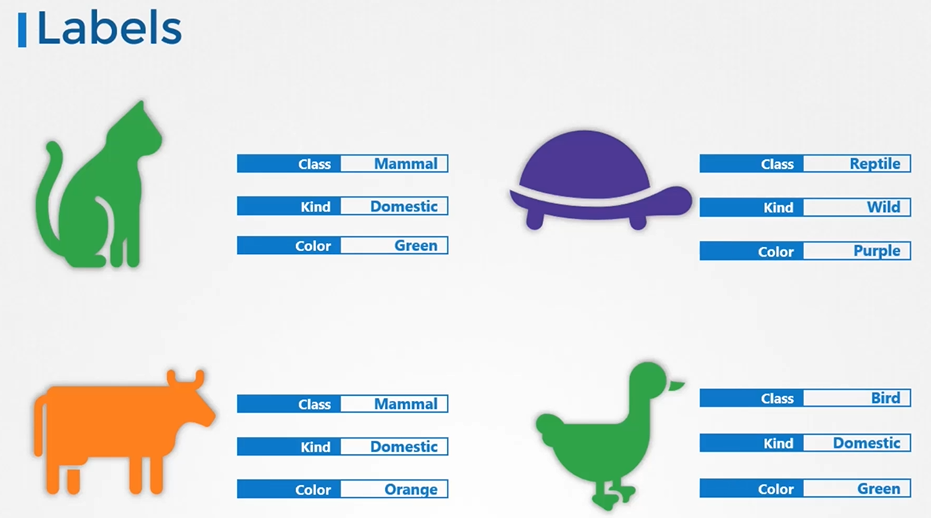
Kubernetes hands on series: Labels and Selectors | by Rakesh ...
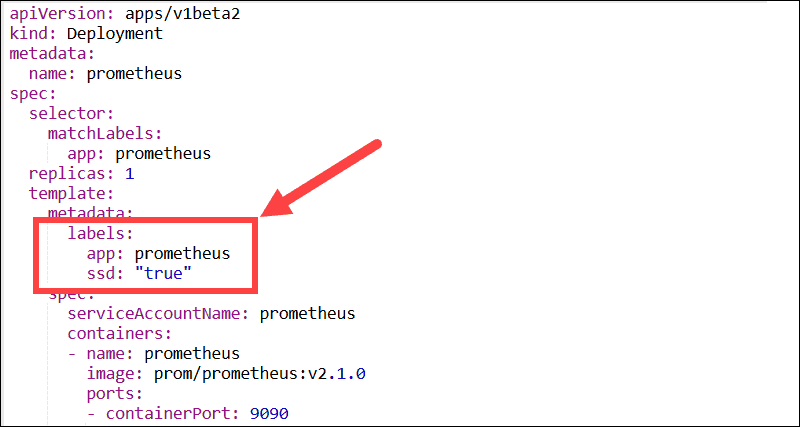
19 Kubernetes Best Practices for Efficient Clusters | PhoenixNAP
Assigning Pods to Nodes | Kubernetes

Kubernetes hands on lab 106 Labels and Annotations
Namespace well-known label "kubernetes.io/metadata.name ...
404 for "Well-Known Labels, Annotations and Taints" page ...
Kubernetes Cheat Sheet · Site Reliability Engineer HandBook

Adding Labels & Taint on Node Pool (Node Pool template) | OVH ...
Understanding Services in Kubernetes with Examples! - Knoldus ...
An introduction to Kubernetes.
Importance of labeling and annotating your Kubernetes objects ...

The Power of Kubernetes Services - VMware Tanzu Modern Apps

Spotinst Kubernetes Controller Now Supports Custom Labels ...

How To Use Kubernetes Labels and Selectors - DevOps Titan
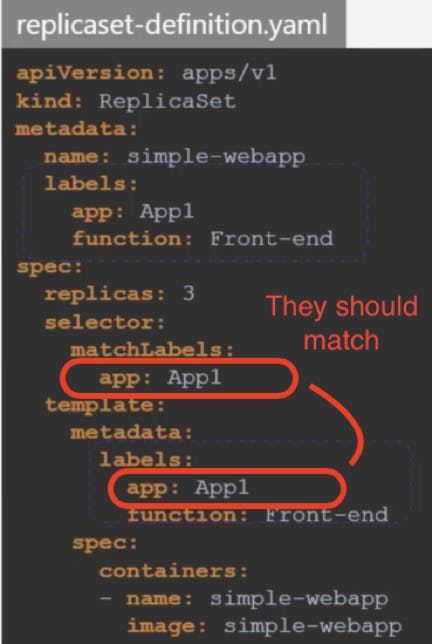
7 Common Kubernetes Pitfalls

Label standard and best practices for Kubernetes security
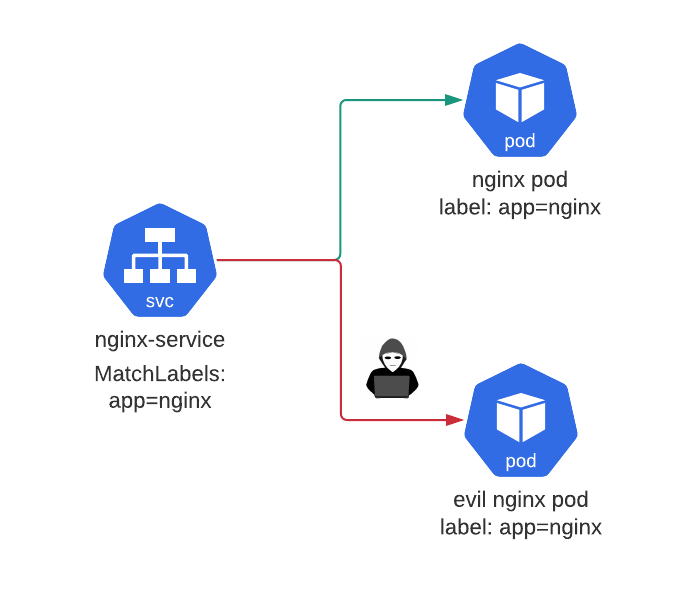
Hijacking Kubernetes Resources with Labels | by Joshua Stuts ...
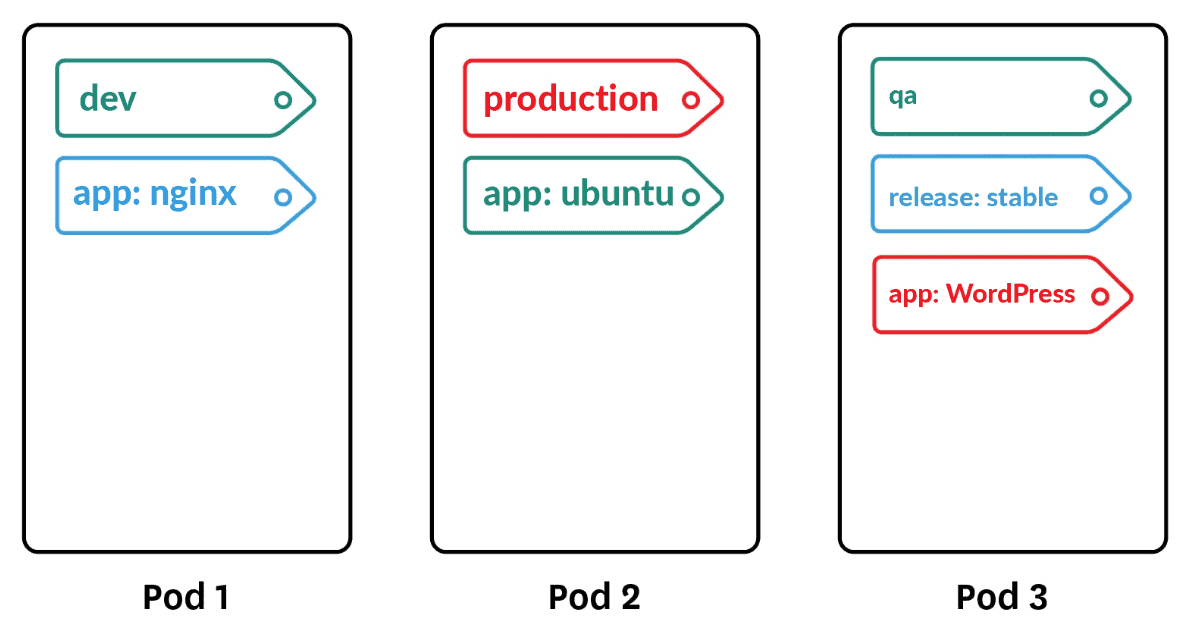
Kubernetes Labels | Labels And Annotations In Kubernetes
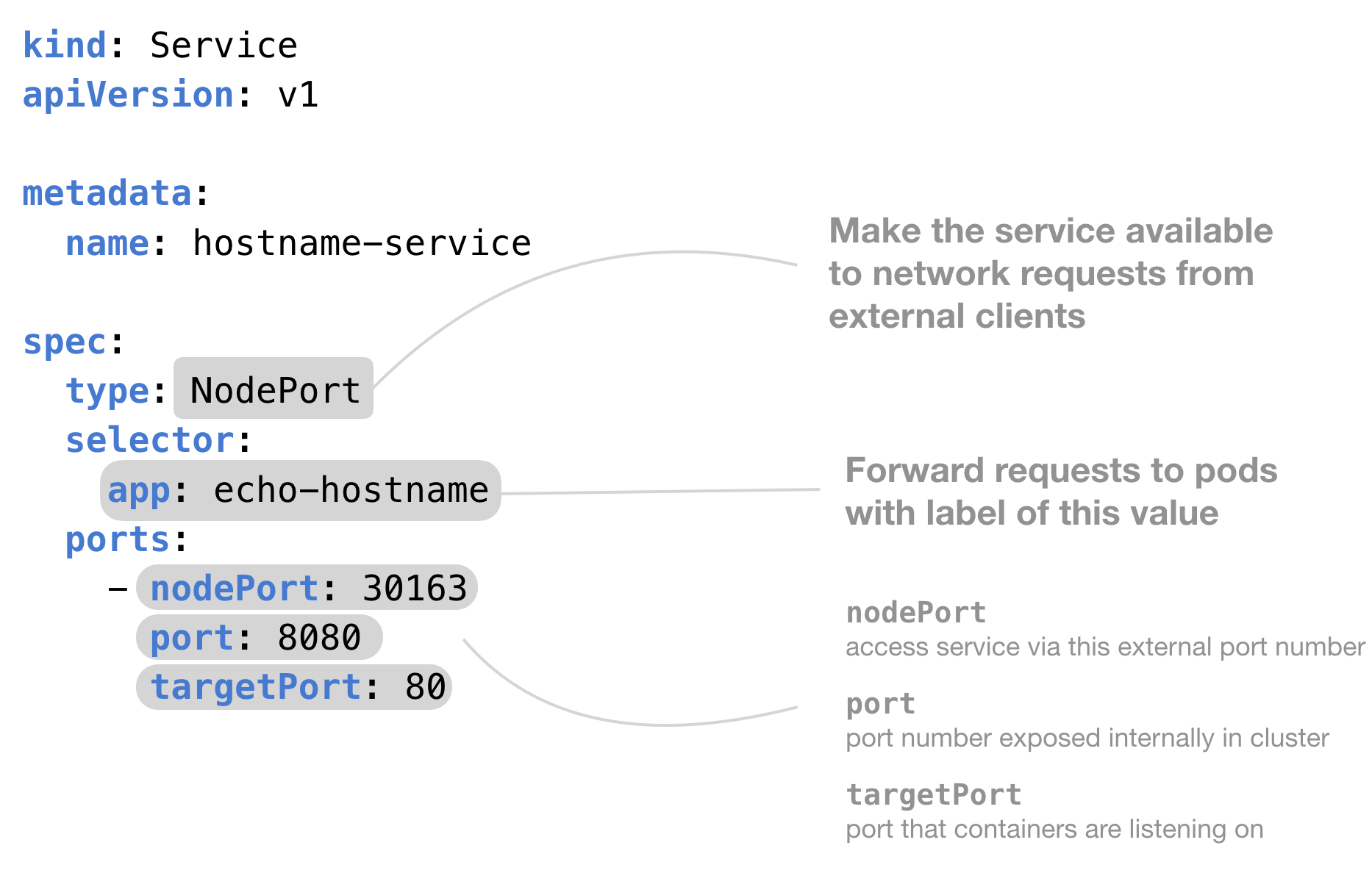
Service - Kubernetes Guide with Examples

Kubernetes - Network Policies - The IT Hollow

Top 5 Kubernetes Best Practices From Sandeep Dinesh (Google)

Best practices for defining Kubernetes namespaces and labels ...
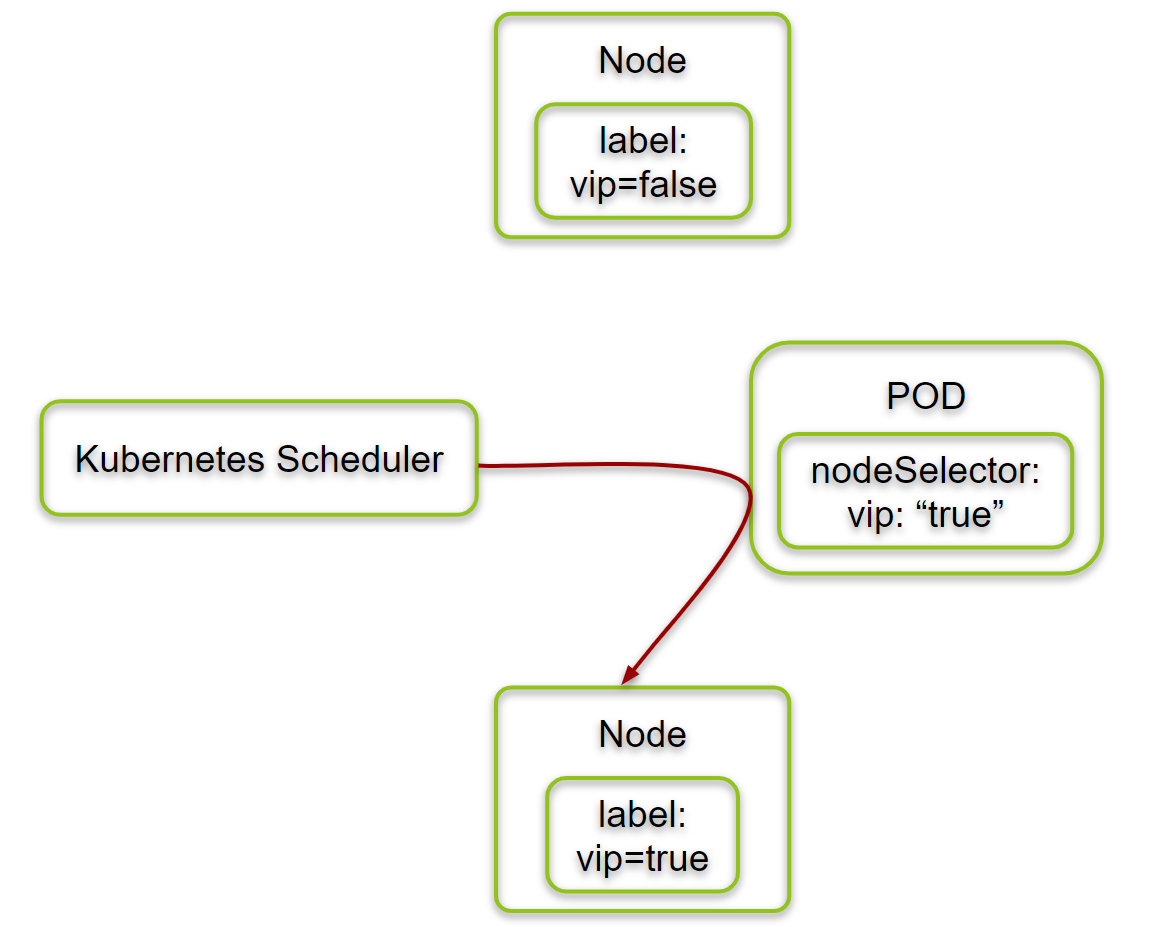
CKA Labs (12): Kubernetes Labels and Node Selectors -

Managing Cloud Costs with Kubernetes: 5 Questions You Should ...
Reorganize the "Well-Known Labels, Annotations and Taints ...

How to add label to running pod in Kubernetes | GoLinuxCloud
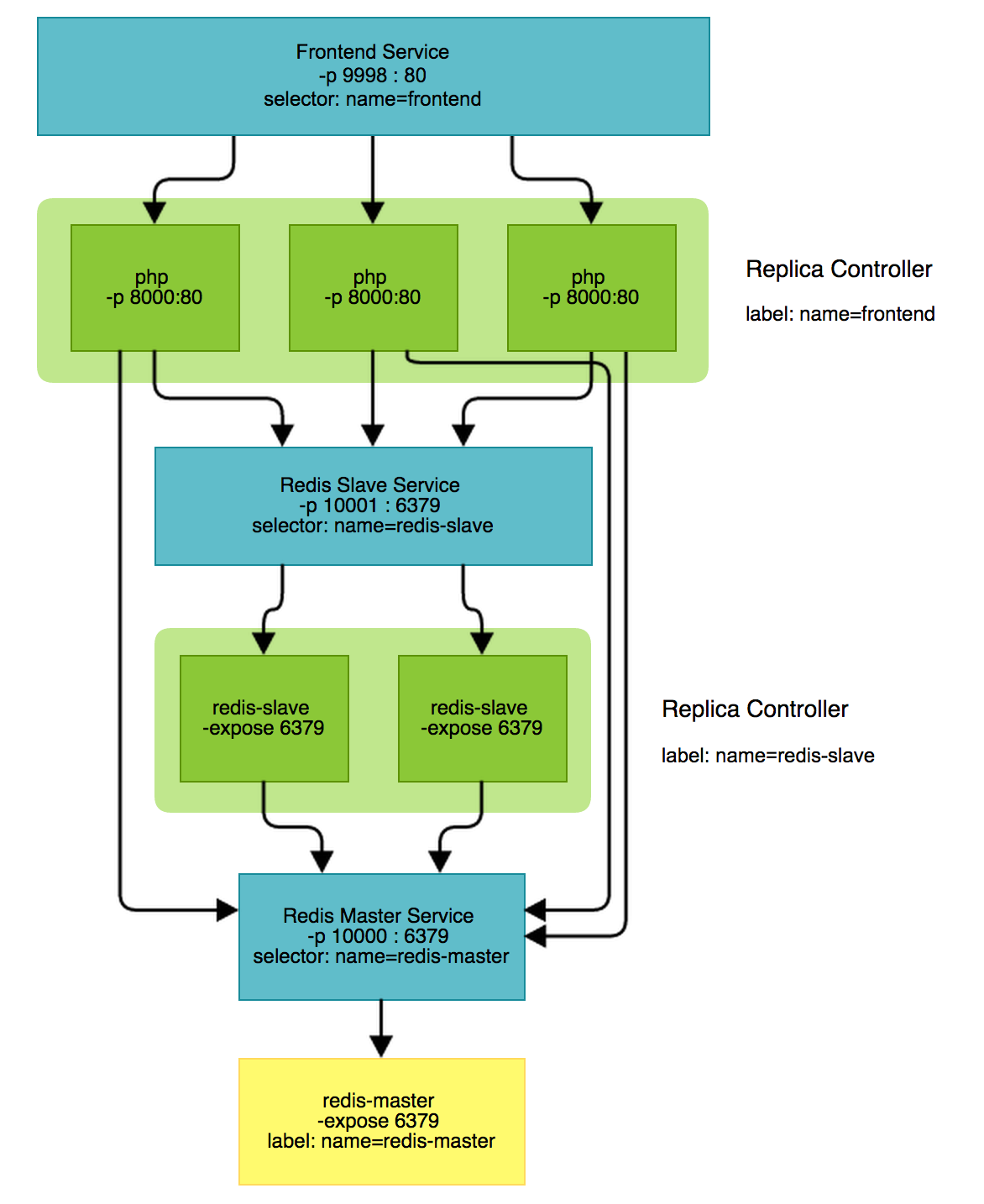
An Intro to Google's Kubernetes and How to Use It ...

Understanding label values in Kubernetes and Amazon EKS
Introduction to YAML: Creating a Kubernetes deployment| Mirantis
Post a Comment for "44 kubernetes well known labels"